English| EUR
Suggested for you
More currencies
Choose a language
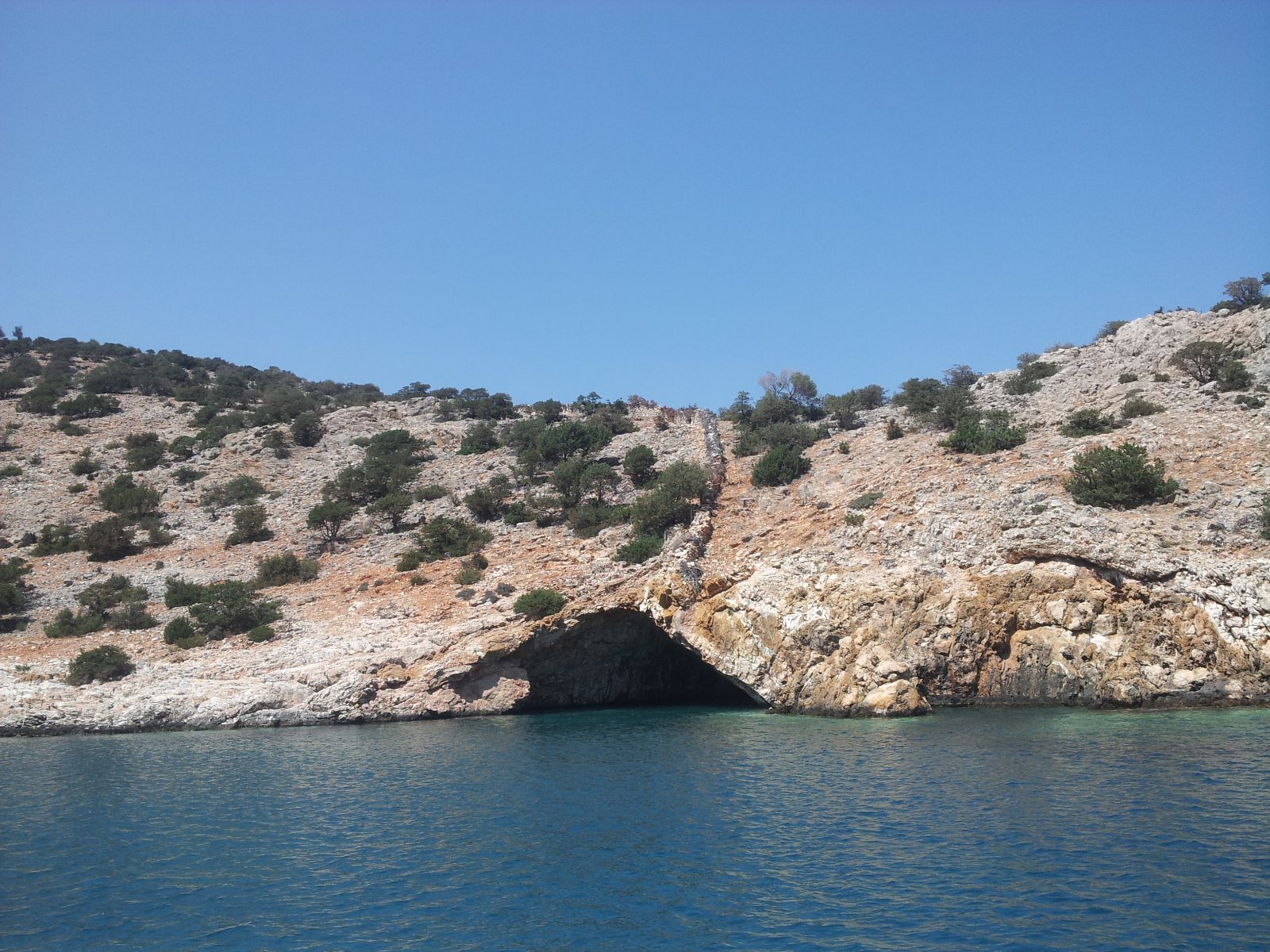
Rina Cave sits low in the limestone cliffs of the Kalandos Area on southern Naxos, reachable only by sea or on foot along the coastal ridge. This guide walks through boat departure points, the crossing itself, cave entry logistics, and the light conditions that determine what you'll see once inside.
Quick answer
A boat trip to Rina's Cave Naxos departs from harbors along the southern coast — typically Agia Anna, Agios Prokopios, or organized tours from Naxos Town — and reaches the cave in 20 to 45 minutes depending on the launch point. Entry to the cave is free and the site is accessible daily, though morning departures between 09:00 and 12:00 offer the best natural light for interior visibility and calmer water conditions before afternoon wind builds across the Aegean.
Rina Cave was carved by millennia of wave action into the volcanic tuff and limestone that frames Naxos' southeastern shore, and its entrance sits just above the waterline — invisible from inland but unmistakable from the sea. The cave extends roughly 30 meters into the cliff face, with a vaulted ceiling that reaches eight meters at its apex and a floor of smooth stone interrupted by shallow tidal pools. What draws visitors is not drama but geometry: the way midday sun refracts through the entrance and paints the interior walls in bands of turquoise and amber, a effect that lasts roughly 90 minutes each morning before the angle shifts and the cave interior falls into shadow. Most boat trips to Rina's Cave originate from the southern beach resorts or as part of longer coastal tours that loop past Kalados Beach and the sea stacks near Pyrgaki. Private water taxis offer direct passage, while group excursions often bundle the cave with snorkeling stops and a swim break at one of the coves flanking the Kalandos headland. The approach requires calm seas — swells above half a meter make entry unsafe, and captains will abort the landing if conditions deteriorate. Inside, the cave floor is slick and uneven; most visitors remain in the boat or wade knee-deep near the entrance rather than attempting the scramble to the rear chamber. Because Rina Cave sits within an undeveloped stretch of the southern coast, no facilities exist at the site itself. Boats typically allow 15 to 20 minutes at the cave — enough time to photograph the interior, test the water temperature, and let your eyes adjust to the shift from open sunlight to the cool dimness of the stone vault. The return crossing retraces the outbound route, and most tours time the journey to deliver passengers back to their departure harbor by early afternoon, leaving the rest of the day free for inland exploration or a second swim along Naxos' western beaches. The cave remains one of the island's quieter landmarks, visited by a few hundred travelers each season rather than the thousands who queue for the Portara at sunset.
“The way midday sun refracts through the entrance and paints the interior walls in bands of turquoise and amber lasts roughly 90 minutes each morning.”
Rina Cave is located in the Kalandos area of southern Naxos, Greece. Access is primarily achieved via maritime transport due to the remote nature of the coastline.
Departure from Naxos Town (Chora) or Agia Anna harbor
Hiking trail from Kalandos Beach
Booking a place on a local boat excursion is the standard method for reaching the cave entrance directly from the water. While a hiking path exists from Kalandos, maritime arrival provides direct access to the sea cave interior.
Rina Cave is accessible by water at all times, though local boat operators manage the specific transit schedules for trips to the site.
Prepare properly for your excursion to ensure a comfortable and safe experience exploring the marine environment.
The cave floor consists of rocks and pebbles that can be slippery and sharp. Sturdy water shoes provide the necessary grip and foot protection for wading.
Polarized lenses help you see through the water surface to observe the cave floor and marine life more clearly. This is particularly useful when the light hits the water at the entrance.
Water splashes are frequent when entering the cave by boat or swimming. A waterproof dry bag keeps your phone, camera, and personal items protected from moisture.
A low-volume snorkeling mask makes it easier to clear water and provides a better field of vision in the cave. This gear allows you to inspect the rock formations under the water surface efficiently.
The inner sections of Rina Cave can become quite dim as you move away from the entrance. A waterproof flashlight or a dive light helps you navigate and spot features that are otherwise hidden in shadows.
Everything you need to know about boat trip to rina's cave naxos
Rina Cave is located in the Kalandos area and is primarily accessible by sea. While hiking is possible, a boat trip to rina's cave naxos is the most common method to reach this destination.
There is no entrance fee for this natural site; the cost is 0 EUR. Access to the cave is free for all visitors.
The best arrival window is 09:00–12:00. Visiting during these hours ensures optimal natural light for cave visibility and provides calmer water conditions before peak boat traffic arrives.
Yes, the site is accessible by hiking, though it is quite remote. Most visitors prefer a boat tour of southern Naxos to combine the cave visit with swimming in turquoise waters.
Yes, families often enjoy the excursion to these sea caves. Always check with specific boat operators regarding their safety requirements and age policies for a boat trip to rina's cave naxos.
You should bring sunscreen, water, a hat, and snorkeling gear to enjoy the clear waters. Since there are no facilities on-site, carry everything you need for your time at the coast.
Yes, the site remains open daily from 00:00–23:59. You can plan your visit at any time, though arrivals are restricted by the schedules of local maritime transport providers.